


 Previous
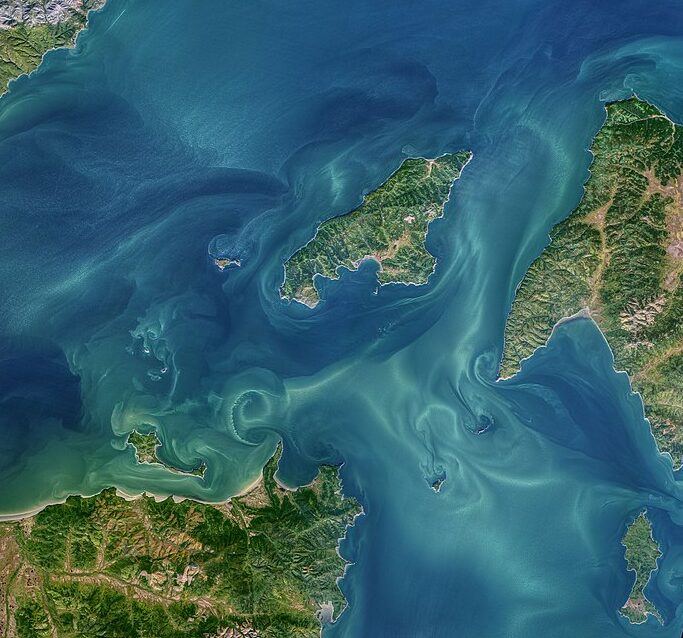
Launched on June 4, 2025, at the One Ocean Science Congress in Nice, France, ahead of the United Nations Ocean Conference, this Blue Paper was commissioned by the High Level Panel for a Sustainable Ocean Economy (Ocean Panel) to inform evidence-based decision-making on the responsible development and governance of marine carbon dioxide removal (mCDR).
As countries seek to meet the goals of the Paris Agreement, mCDR approaches—designed to enhance the ocean’s natural capacity to absorb and store carbon through biological and chemical processes—are likely to play a complementary role alongside emissions reductions. However, significant knowledge gaps remain regarding their effectiveness, cost, permanence, and potential environmental and social impacts.
With field trials already underway by research institutions and private actors, the paper outlines key principles to guide responsible mCDR development. These include the need for high-quality, transparent scientific research; robust monitoring and reporting frameworks; meaningful community engagement; and consistent application of best practices.
The paper highlights the importance of strong public oversight. Governments are identified as key actors in ensuring rigorous standards for publicly funded trials, updating national permitting systems, and establishing clear, science-based regulatory pathways. While existing international legal instruments provide partial coverage, a fit-for-purpose governance framework is considered necessary to ensure mCDR activities are safe, equitable, and environmentally sound.
